



How The Desi Dictionary works: learn to speak with English letters first
what is transliteration-first language learning?
Transliteration-first means you learn to speak a language using the alphabet you already read. In The Desi Dictionary, every Hindi, Gujarati, Punjabi and Marathi phrase appears in English letters with native audio, so you can talk with your family first. The native script is optional and comes later, whenever you want it.
how it works.
Most language apps ask you to learn a new script from the first lesson. That is a real barrier if you grew up hearing Hindi, Gujarati, Punjabi or Marathi at home and simply want to answer your grandparents. The Desi Dictionary starts with speaking.
why not start with the script?
The script matters if you want to read signs, books and messages in the original alphabet, and the app supports that. But for most heritage speakers the first goal is conversation. Speaking first gets you talking sooner, and many learners find the script easier once the sounds are familiar.
who it is for, and who it is not for.
It is made for the South Asian diaspora: heritage speakers who understand the language but freeze when they have to reply, complete beginners, and people learning a partner's family language. If your main goal is to read literature in the original script from day one, you will want a script-first course alongside it.
questions people ask.
Can I learn Gujarati without learning the script?
Yes. Every lesson starts in English letters with native audio. You can add the script later if you want it.
Which languages does the app teach?
Hindi, Gujarati, Punjabi and Marathi, all taught the same way.
Is it only for beginners?
No. It also suits heritage speakers who understand a language but struggle to speak it.
Who makes The Desi Dictionary?
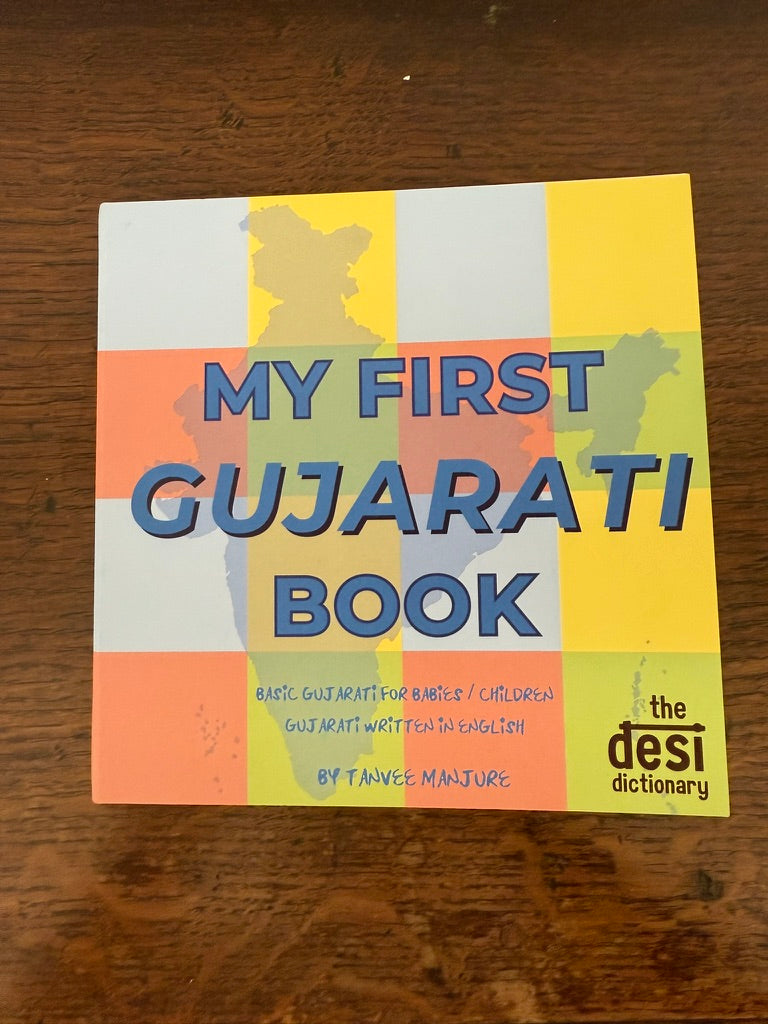
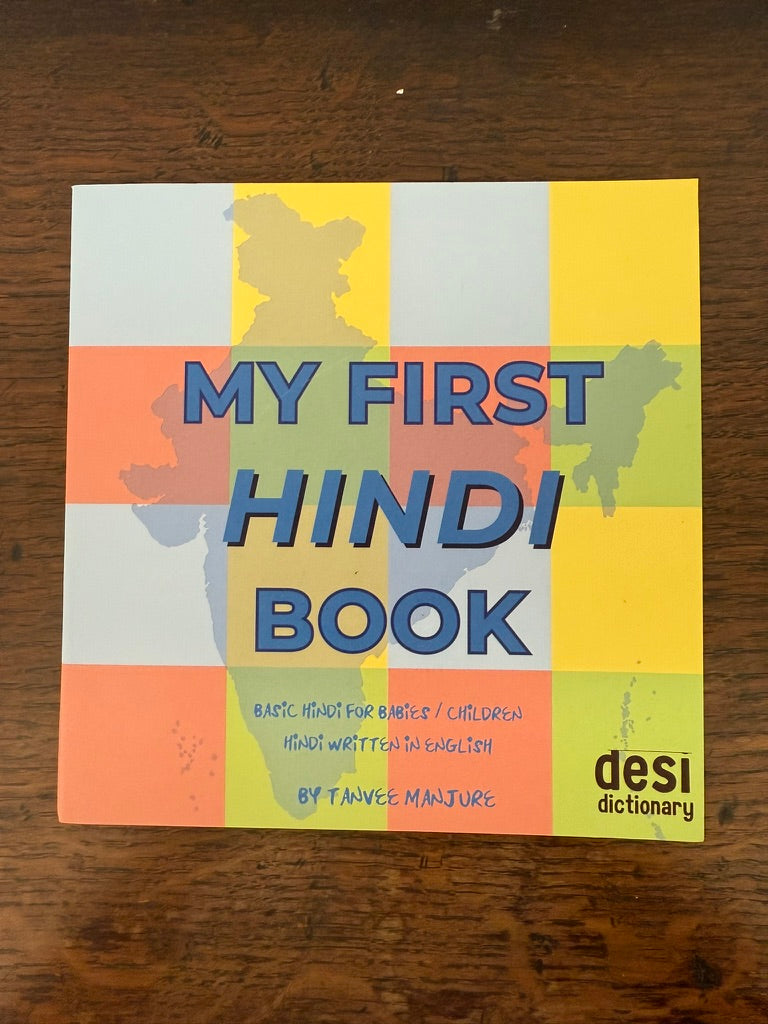
It is built independently by Tanvee, a founder in London, alongside a series of language books for the diaspora.
Last updated 12 November 2026 by Tanvee, founder of The Desi Dictionary.