


made by the diaspora, for the diaspora.
The Desi Dictionary started with one nephew, one language, and a script neither of us could read — and grew into books and an app built for every family carrying the same quiet worry.
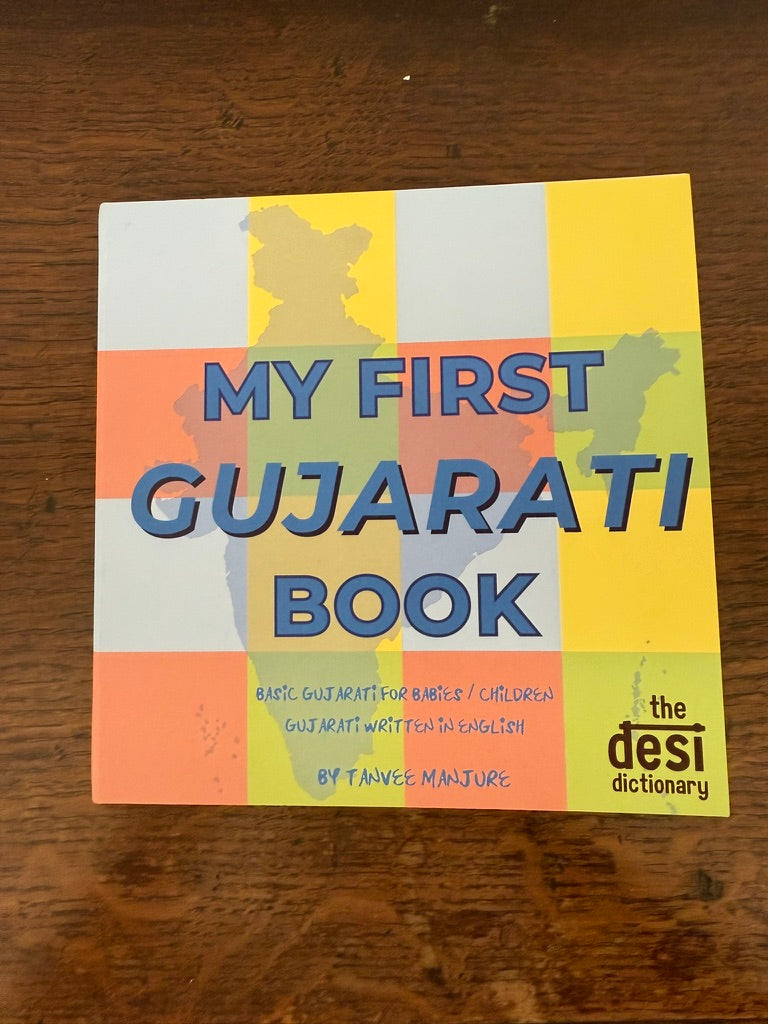
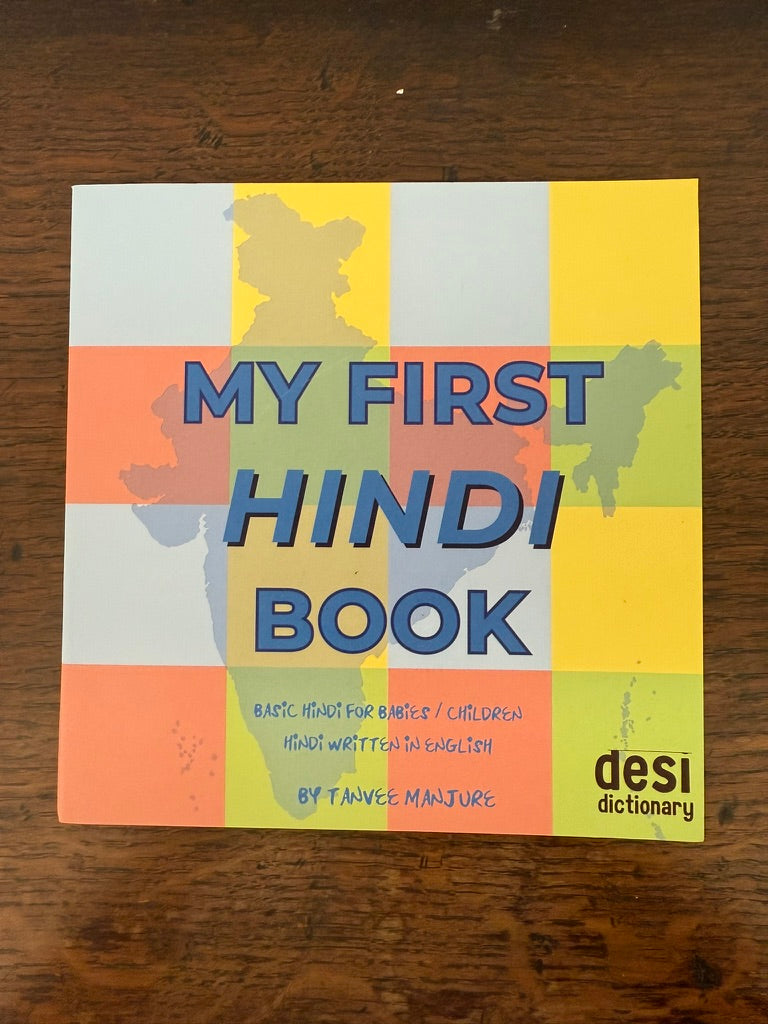
It started with my nephew — I wanted to teach him Marathi, and neither of us could read the script. So I built a simple, playful way to focus on speaking first, using English letters instead.
Turns out I wasn't the only one. So many of us in the diaspora carry the same quiet worry — that the language stops with us. Not because we don't care, but because life, distance and a script we never quite learned all got in the way.
The Desi Dictionary is made by the diaspora, for the diaspora. That's how this started, and it's still our mission — give every diaspora kid, and every grown-up who missed their chance the first time round, a real way to speak, read and belong to their family's language.

what we believe in.
bridging the gap between the two scripts
Reading a script isn't the starting line. We teach the sounds first, in English letters, so speaking comes before spelling.
connection over perfection
You don't need to be fluent to pass something on. A few words, said with love, still count.
made by the diaspora, for the diaspora
Every book and lesson is shaped by real diaspora families — the words we actually use with our own Dadis, Nanas and cousins.
of third-generation South Asian diaspora children speak only English at home
people of South Asian descent live outside South Asia, sharing this same story
languages are officially recognised in India alone — a glimpse of what's worth holding on to
where we're headed.
More languages, more scripts
11 languages are already part of the family in at least one product — and we hope to keep growing current and new languages across our products
keep building the app
as we grow, get feedback - we hope to keep building the app features and languages
a growing community
we want to build our community, make south asians in the diaspora feel proud and comfortable in reclaiming their language and culture